

Description
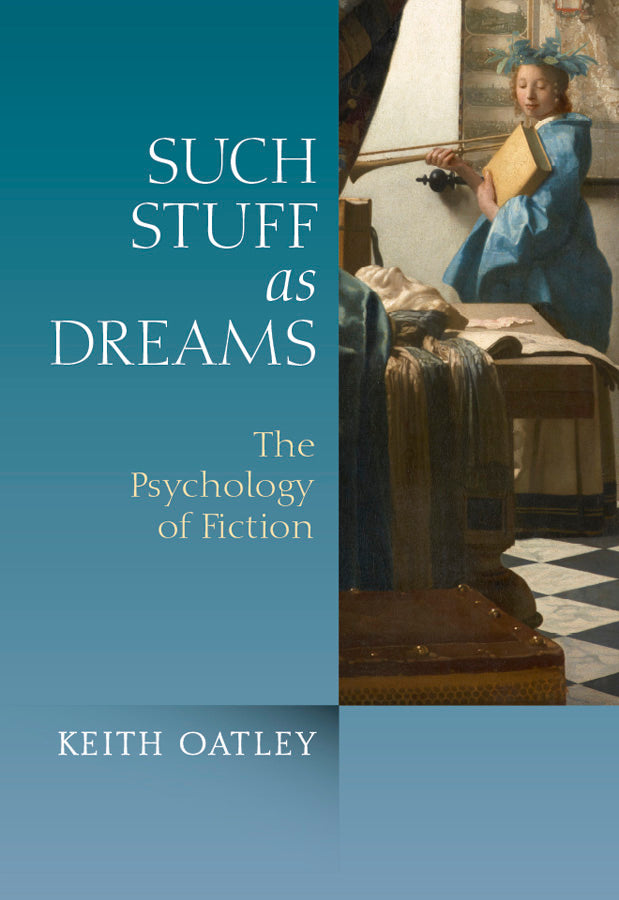
Discover 'Such Stuff as Dreams: The Psychology of Fiction', a profound exploration into the interplay between fiction and human psychology. This captivating book delves into how narratives engage our brains and stimulate our imaginations, ultimately shaping our understanding of ourselves and others. Perfect for avid readers and aspiring writers alike, this book exposes the essence of storytelling by examining key elements like character development, plot structure, thematic depth, and setting. Backed by contemporary psychological research and enhanced by excerpts from renowned authors like William Shakespeare and Jane Austen, this text reveals how reading fiction enhances social skills and emotional understanding.
Whether you're a scholar, a casual reader, or a writer seeking inspiration, this book offers accessible insights into the mechanics of fiction. The engaging discussions on literary techniques such as metaphor and defamiliarization afford readers a deeper appreciation of literary art.
With its robust endnotes, 'Such Stuff as Dreams' is anchored in psychological studies, brilliantly connecting fiction with psychological conceptions such as identification with characters. Dive into this enlightening read and elevate your literary experience.
Note: Shipping for this item is free. Please allow up to 6 weeks for delivery. Once your order is placed, it cannot be cancelled. Condition: BRAND NEW; ISBN: 9780470974575; Year: 2011; Publisher: John Wiley & Sons (UK); Pages: 304.
Note: Shipping for this item is free. Please allow up to 6 weeks for delivery. Once your order is placed, it cannot be cancelled.
Condition: BRAND NEW
ISBN: 9780470974575
Year: 2011
Publisher: John Wiley & Sons (UK)
Pages: 304
Description:
Such Stuff as Dreams: The Psychology of Fiction explores how
fiction works in the brains and imagination of both readers and
writers.
Demonstrates how reading fiction can contribute to a greater
understanding of, and the ability to change, ourselves
Informed by the latest psychological research which focuses on,
for example, how identification with fictional characters occurs,
and how literature can improve social abilities
Explores traditional aspects of fiction, including character,
plot, setting, and theme, as well as a number of classic
techniques, such as metaphor, metonymy, defamiliarization, and
cues
Includes extensive end-notes, which ground the work in
psychological studies
Features excerpts from fiction which are discussed throughout
the text, including works by William Shakespeare, Jane Austen, Kate
Chopin, Anton Chekhov, James Baldwin, and others
Whether you're a scholar, a casual reader, or a writer seeking inspiration, this book offers accessible insights into the mechanics of fiction. The engaging discussions on literary techniques such as metaphor and defamiliarization afford readers a deeper appreciation of literary art.
With its robust endnotes, 'Such Stuff as Dreams' is anchored in psychological studies, brilliantly connecting fiction with psychological conceptions such as identification with characters. Dive into this enlightening read and elevate your literary experience.
Note: Shipping for this item is free. Please allow up to 6 weeks for delivery. Once your order is placed, it cannot be cancelled. Condition: BRAND NEW; ISBN: 9780470974575; Year: 2011; Publisher: John Wiley & Sons (UK); Pages: 304.
Note: Shipping for this item is free. Please allow up to 6 weeks for delivery. Once your order is placed, it cannot be cancelled.
Condition: BRAND NEW
ISBN: 9780470974575
Year: 2011
Publisher: John Wiley & Sons (UK)
Pages: 304
Description:
Such Stuff as Dreams: The Psychology of Fiction explores how
fiction works in the brains and imagination of both readers and
writers.
Demonstrates how reading fiction can contribute to a greater
understanding of, and the ability to change, ourselves
Informed by the latest psychological research which focuses on,
for example, how identification with fictional characters occurs,
and how literature can improve social abilities
Explores traditional aspects of fiction, including character,
plot, setting, and theme, as well as a number of classic
techniques, such as metaphor, metonymy, defamiliarization, and
cues
Includes extensive end-notes, which ground the work in
psychological studies
Features excerpts from fiction which are discussed throughout
the text, including works by William Shakespeare, Jane Austen, Kate
Chopin, Anton Chekhov, James Baldwin, and others