

Description
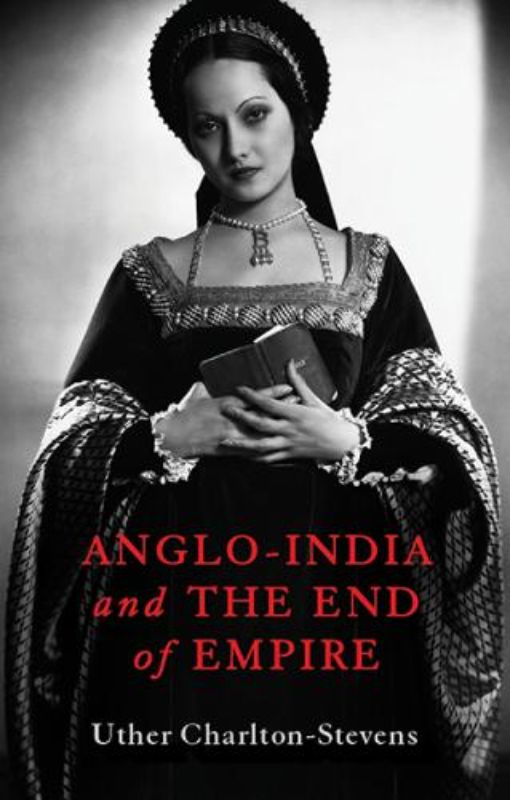
Discover the rich and nuanced history of Anglo-India and the end of empire through this insightful book. 'Anglo-India and the End of Empire' is a profound exploration of the cultural dynamics during the waning days of British rule in India. This essential read challenges the conventional image of the British Raj, presenting a more intricate reality where the blurred lines of identity and collaboration reveal the complexities of history. With its exploration of the Anglo-Indian community, this book uncovers the narratives of those who existed in the liminal space between two worlds. The author, through careful research and engaging prose, brings to light how Anglo-Indians navigated their multicultural identities and social standings during a transformative period. This book not only serves as a crucial academic resource for historians and students but also appeals to general readers fascinated by colonial history and identity politics in contemporary times. Published by Hurst Publishers in 2022, it includes a brand new ISBN: 9781787383128. Dive deep into the past and grasp the significance of 'Anglo-India and the End of Empire' as it resonates with ongoing discussions of identity in today's globalized world. Note: Shipping for this item is free. Please allow up to 6 weeks for delivery. Once your order is placed, it cannot be cancelled.
Note: Shipping for this item is free. Please allow up to 6 weeks for delivery. Once your order is placed, it cannot be cancelled.
Condition: BRAND NEW
ISBN: 9781787383128
Year: 2022
Publisher: Hurst Publishers
Description:
The standard image of the Raj is of an aloof, pampered and prejudiced British elite lording it over an oppressed and hostile Indian subject population. Like most caricatures, this obscures as much truth as it reveals. The British had not always been so aloof. The earlier, more cosmopolitan period of East India Company rule saw abundant 'interracial' sex and occasional marriage, alongside greater cultural openness and exchange. The result was a large and growing 'mixed-race' community, known by the early twentieth century as Anglo-Indians.
Notwithstanding its faults, Empire could never have been maintained without the active, sometimes enthusiastic, support of many colonial subjects. These included Indian elites, professionals, civil servants, businesspeople and minority groups of all kinds, who flourished under the patronage of the imperial state, and could be used in a 'divide and rule' strategy to prolong colonial rule. Independence was profoundly unsettling to those destined to become minorities in the new nation, and the Anglo-Indians were no exception.
This refreshing account looks at the dramatic end of British rule in India through Anglo-Indian eyes, a perspective that is neither colonial apologia nor nationalist polemic. Its history resonates strikingly with the complex identity debates of the twenty-first century.
Note: Shipping for this item is free. Please allow up to 6 weeks for delivery. Once your order is placed, it cannot be cancelled.
Condition: BRAND NEW
ISBN: 9781787383128
Year: 2022
Publisher: Hurst Publishers
Description:
The standard image of the Raj is of an aloof, pampered and prejudiced British elite lording it over an oppressed and hostile Indian subject population. Like most caricatures, this obscures as much truth as it reveals. The British had not always been so aloof. The earlier, more cosmopolitan period of East India Company rule saw abundant 'interracial' sex and occasional marriage, alongside greater cultural openness and exchange. The result was a large and growing 'mixed-race' community, known by the early twentieth century as Anglo-Indians.
Notwithstanding its faults, Empire could never have been maintained without the active, sometimes enthusiastic, support of many colonial subjects. These included Indian elites, professionals, civil servants, businesspeople and minority groups of all kinds, who flourished under the patronage of the imperial state, and could be used in a 'divide and rule' strategy to prolong colonial rule. Independence was profoundly unsettling to those destined to become minorities in the new nation, and the Anglo-Indians were no exception.
This refreshing account looks at the dramatic end of British rule in India through Anglo-Indian eyes, a perspective that is neither colonial apologia nor nationalist polemic. Its history resonates strikingly with the complex identity debates of the twenty-first century.